Leaving the military can bring major changes to everyday routines. Veterans may suddenly have more control over their schedules, but they can also lose some of the structure and regular social contact that came with service. Building new routines around physical activity, independence and community involvement can make the transition to civilian life more purposeful and manageable.
Build Physical Activity Into a New Routine

Regular movement can provide structure after military service while supporting general fitness and everyday mobility. The right activity will depend on individual ability, interests and circumstances, so there is no need to recreate the intensity of previous military training.
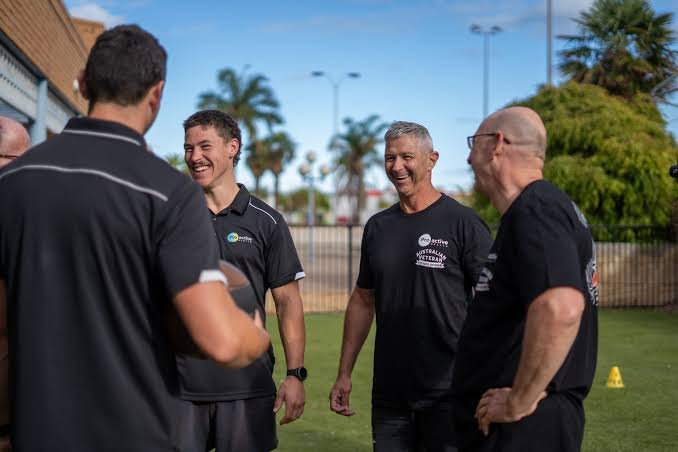
Walking, swimming, cycling and gym sessions are straightforward options, while veterans who enjoy competition may prefer joining a local sports club. Group activities have an additional advantage because they combine exercise with regular opportunities to meet other people.
Consistency is generally more practical than setting overly ambitious targets. Scheduling several manageable activities throughout the week can help create a routine that is easier to maintain over the long term. Veterans with injuries or physical limitations may need activities adapted to their individual capabilities.
Make Everyday Independence Easier to Maintain

Independence often depends on being able to reach appointments, shops, recreational activities and social events without unnecessary difficulty. Having reliable transportation options can therefore become particularly important for veterans who cannot or prefer not to drive.
Different journeys may require different solutions, from public transport and assistance from family members to dedicated transport services. DVA transport is important in Australia, and you should learn more prior to making your decision for your transportation needs. Understanding available options beforehand can make it easier to plan regular appointments and other essential journeys.
It can also help to organise important services close to home where possible. Choosing a nearby gym, medical practice, supermarket or community centre can reduce the amount of travel required during an average week and make routines easier to maintain.
Stay Connected Through Community and Shared Interests

The social adjustment after leaving the military can be just as significant as changes to employment or daily schedules. Staying connected does not necessarily mean maintaining exactly the same social network. Civilian life can provide opportunities to build new relationships while keeping contact with former colleagues.
Veterans’ organisations, sporting groups, volunteering and community activities can all create regular opportunities for interaction. Education and professional training can serve a similar purpose, allowing veterans to develop new skills while meeting people with shared career interests.
Planning recurring activities can be especially useful. A weekly sports session, monthly veterans’ gathering, or regular volunteer commitment provides something predictable in the calendar and can help prevent social activities from gradually disappearing from everyday life.
Conclusion
Life after military service can require veterans to create new routines rather than simply replace old ones. Regular physical activity can support an active lifestyle, suitable transportation can help preserve independence, and community involvement can maintain valuable social connections. By combining these elements according to their individual circumstances, Australian veterans can build a civilian routine that remains active, practical and connected.