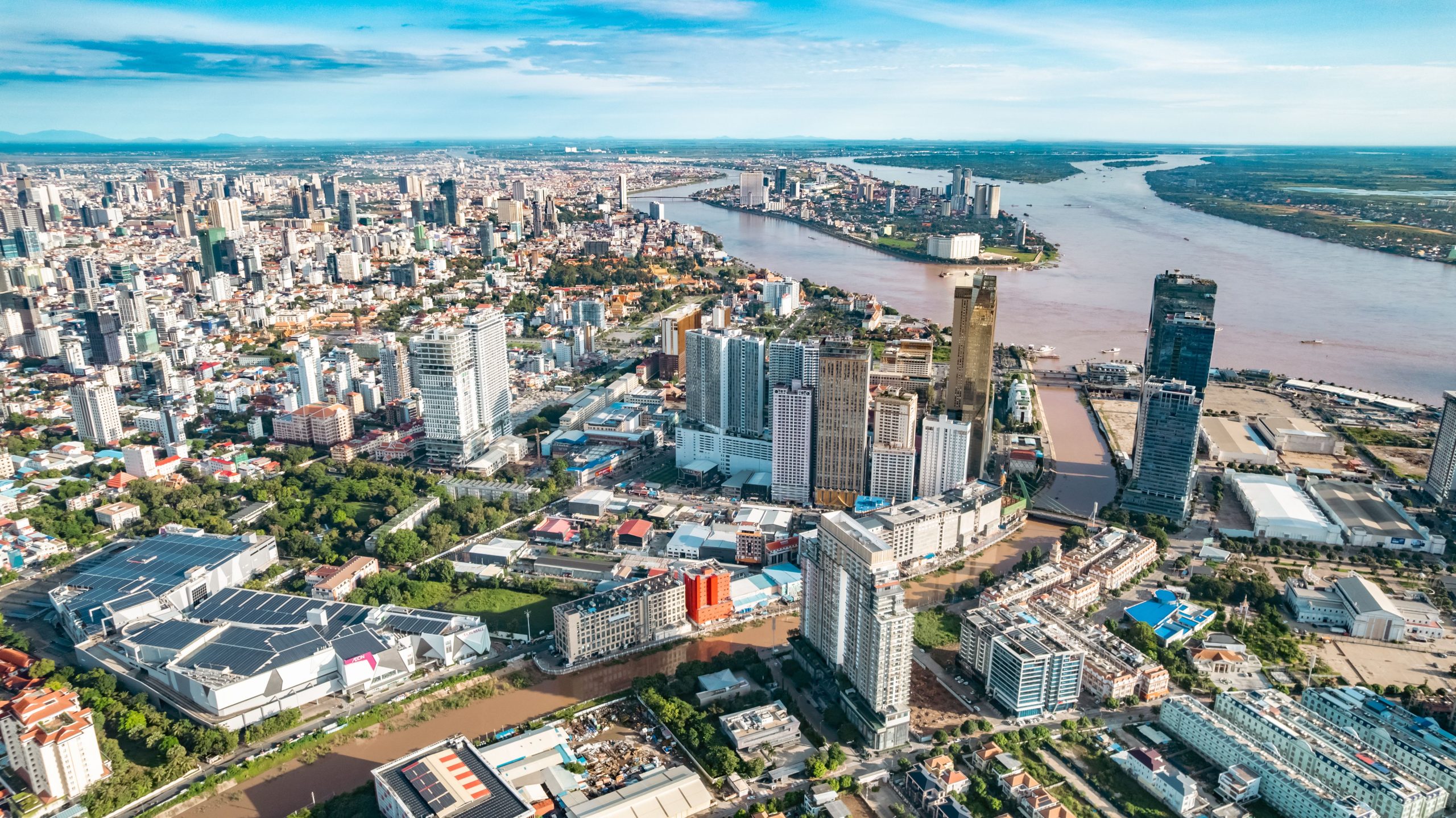
Asia is one of the most important engines of global economic activity, and its growth depends heavily on conditions that extend beyond any single country’s borders. Stable borders, predictable trade rules, reliable energy supplies, and functioning financial systems allow businesses to plan, invest, and hire with confidence. When those conditions weaken, the effects can spread quickly across supply chains and national budgets. This article explains how regional stability supports economic growth in Asia, which channels matter most, and what risks policymakers and businesses monitor.
Table of Contents
- What Regional Stability Means in Economic Terms
- How Stability Supports Trade and Supply Chains
- Investment and Financial Confidence
- Energy and Food Security as Stability Factors
- Stability Factors at a Glance
- Cooperation Mechanisms That Support Stability
- Risks That Can Weaken Growth
- Business Relations and Long-Term Planning
- Looking Ahead
What Regional Stability Means in Economic Terms
In economic analysis, regional stability generally refers to conditions in which governments, markets, and institutions behave in predictable ways. It does not require the absence of all disagreement. Instead, it describes a environment where trade rules are applied consistently, prices move within expected ranges, and disputes are managed through established channels rather than sudden disruption.
Economists often look at stability through several connected dimensions:
- Policy predictability: Stable tariff rules, regulatory frameworks, and fiscal plans make it easier to estimate costs and returns.
- Price stability: Moderate and predictable inflation helps households and firms set budgets and wages.
- Physical security of trade routes: Shipping lanes, ports, and cross-border roads need to remain open for goods to move at reasonable cost.
- Financial system resilience: Banks and capital markets that can absorb shocks help keep credit flowing.
The Asian Development Bank’s Asian Development Outlook September 2026 reports that developing Asia and the Pacific is projected to grow by 5.0% in 2026 and 5.1% in 2027, while noting that risks have shifted further to the downside. Forecasts like these show why stability is treated as a central policy issue rather than a background condition.
How Stability Supports Trade and Supply Chains
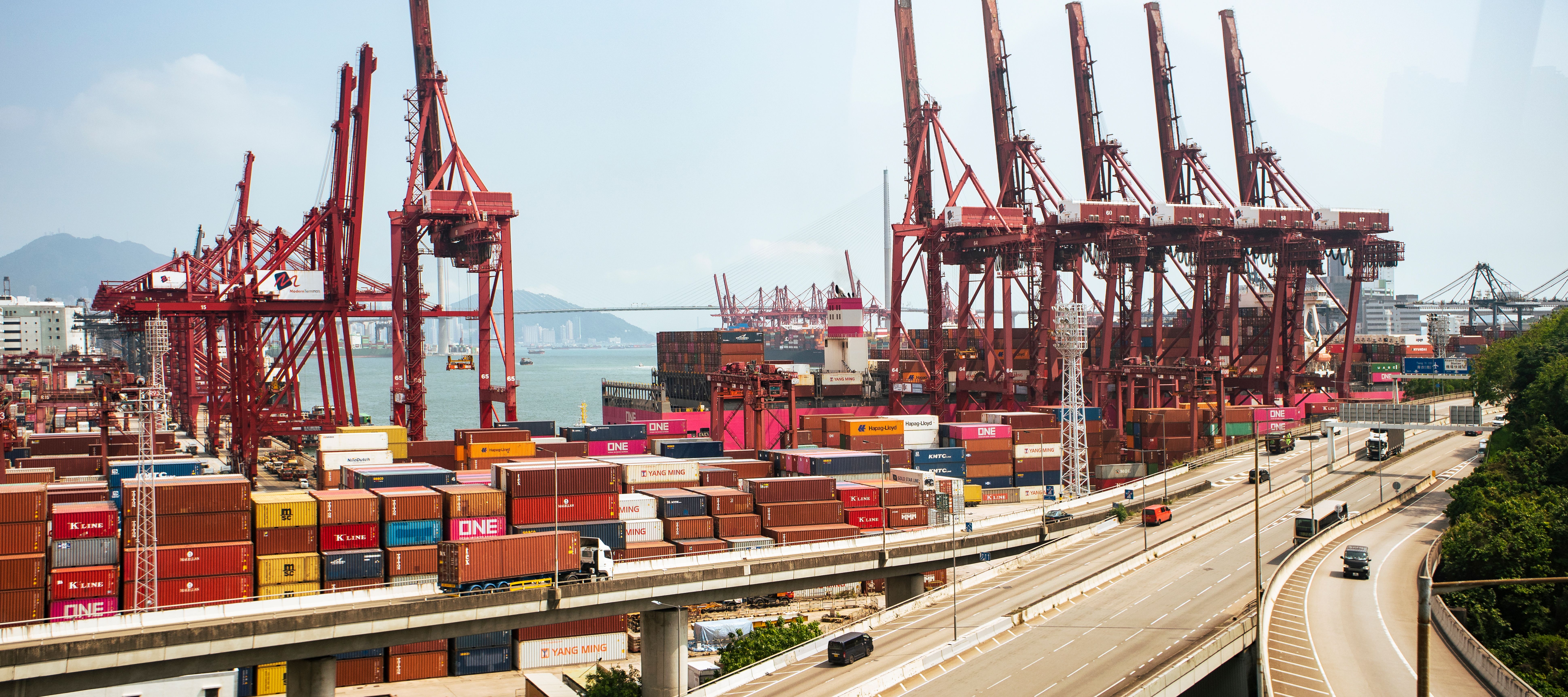
Asia’s manufacturing and export sectors rely on dense networks of components, logistics providers, and ports. A disruption at one node can delay production in several countries. This is why stable trade conditions carry so much weight for regional output.
According to the Asian Development Bank’s Asian Economic Integration Report 2026, trade remains the primary driver of regional integration, and economies in the region have shown resilience even as trade policy becomes less certain. The same analysis notes that concentration in production that depends on foreign inputs can leave economies exposed to supply chain shocks. Regional stability can reduce that exposure by supporting:
- Diversified sourcing across multiple partner economies
- Simpler customs procedures and trade facilitation
- Reliable port operations and shipping schedules
- Trade agreements that are implemented in practice, not only signed

Investment and Financial Confidence
Investment decisions are long-term. A factory, port terminal, or data center may take years to build and decades to repay. Investors therefore pay close attention to whether the environment is likely to remain stable across the life of a project. Where the outlook is clear, companies are generally more willing to commit capital and to expand into new markets.
Financial conditions matter too. Stable currencies, sound banking systems, and moderate interest rates help determine the cost of borrowing. Analysts commonly point to the following effects:
- Lower risk premiums on loans and bonds when political and economic outlooks are steadier
- Greater participation by foreign and domestic investors in infrastructure and industrial projects
- Stronger incentives for small and medium-sized enterprises to expand, since they can plan credit needs more accurately
The Asian Development Bank’s regional reports also highlight that regional financial integration is progressing slowly. Improvements in cross-border payment systems and financial infrastructure are often cited as steps that could deepen integration over time.
Energy and Food Security as Stability Factors
Energy and food supply are among the most direct links between stability and everyday economic activity. Many economies in Asia import a significant share of their energy, which means that disruptions in distant markets can quickly appear as higher costs at home. Food prices can rise in a similar way when fertilizer, fuel, or weather shocks affect harvests.
The Asian Development Bank has noted that cooperation on energy connections, food supplies, and fuel supplies can reduce vulnerability to future price spikes. Longer-term responses commonly include expanding renewable capacity, improving energy efficiency, and building infrastructure that can handle severe weather. Because these investments are large, they depend on predictable policy and financing conditions.
Stability Factors at a Glance
The table below summarizes common stability factors, the economic channels through which they operate, and the general effect on growth that analysts typically associate with each. These are general patterns rather than fixed outcomes, and the actual impact depends on the country, sector, and circumstances.
Cooperation Mechanisms That Support Stability
Stability is rarely the result of one policy. It typically depends on a mix of bilateral agreements, multilateral forums, and technical cooperation. Common mechanisms include:
- Free trade agreements and their practical implementation
- Regional energy grid connections and power trading arrangements
- Financial safety nets and cooperation on currency and liquidity support
- Exchanges on customs procedures, standards, and logistics
The Asian Development Bank’s Asian Economic Integration Report 2026 recommends deepening and implementing trade agreements, improving financial infrastructure and regional safety nets, and facilitating cross-border mobility for workers. These recommendations reflect a broader view that cooperation can help economies absorb external shocks.
Risks That Can Weaken Growth
Regional stability can be tested by several overlapping pressures. Forecasters have pointed to a mix of energy market volatility, extreme weather, and shifts in global trade policy as factors that could slow growth. The World Bank’s East Asia and Pacific Economic Update, October 2026 projects average growth of 4.4% per year in 2026 to 2028 for the region, while noting that elevated energy prices, a slowdown in AI-related investment, and severe El Niño effects could each reduce activity.
Key risks that analysts commonly monitor include:
- Prolonged increases in energy prices and disruptions to shipping routes
- Weather events that affect harvests, hydropower, and water supply
- Abrupt changes in financial conditions or asset valuations
- Sudden changes in tariffs or trade rules that affect supply chains
Because these risks often interact, policymakers may need to respond to several pressures at once. Targeted, time-limited support and stronger buffers are among the approaches frequently discussed in regional policy analysis.
Business Relations and Long-Term Planning
For companies operating across borders, stability shapes everyday decisions, from choosing suppliers to negotiating contracts. Stable conditions support international business relations because partners can plan multi-year commitments with more confidence about regulations, payment systems, and delivery schedules.
Businesses preparing for regional expansion often consider a few practical questions:
- How consistent are customs and regulatory procedures across markets?
- What is the exposure to energy and transport cost changes?
- How clearly are contract disputes handled under national and regional frameworks?
- Which partners and routes provide redundancy if one channel is disrupted?

Looking Ahead
Economic growth in Asia is closely tied to the region’s ability to keep trade flowing, energy affordable, finance stable, and cooperation active. Current forecasts suggest that the region remains resilient, but they also show that growth is sensitive to shocks that originate outside any single economy. For governments, the practical priorities are clear rules, diversified supply networks, and preparedness for weather and energy disruptions. For businesses, monitoring these factors and building flexibility into plans remains one of the most reliable ways to navigate a region where stability and growth are closely linked.